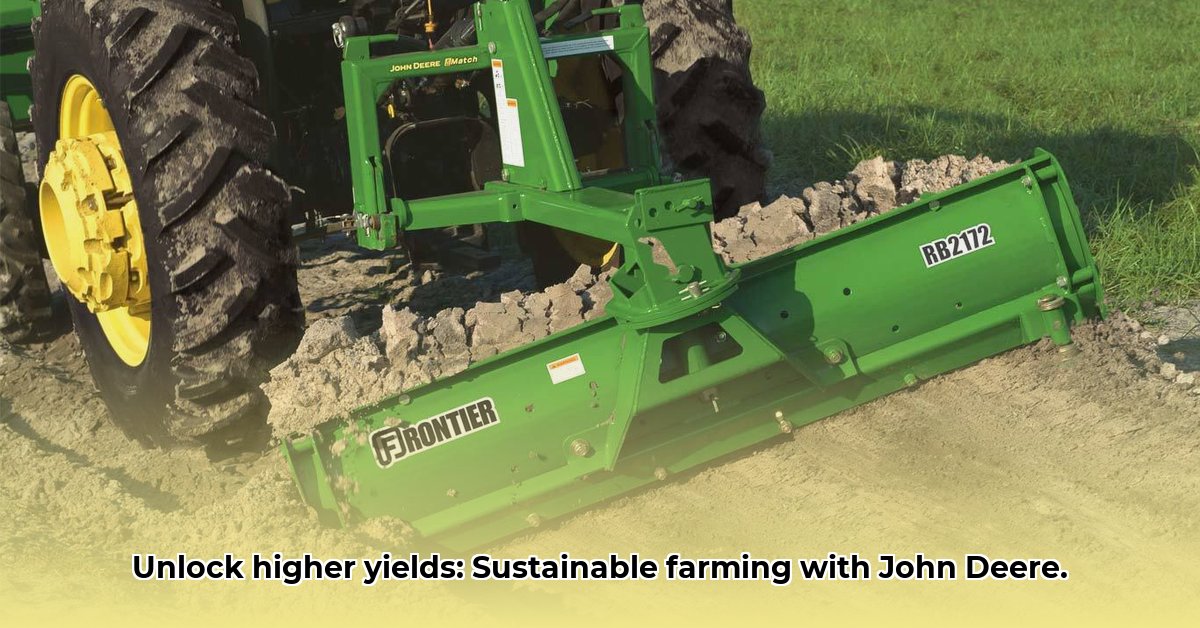
Understanding John Deere Tractor Blades and Precision Agriculture
John Deere tractor blades are more than just pieces of metal; they represent a crucial advancement in modern farming, particularly within the framework of precision agriculture. Precision agriculture focuses on optimizing resource use and maximizing efficiency to achieve higher yields while minimizing environmental impact. John Deere blades are integral to this approach, enabling incredibly precise cutting that reduces waste, improves efficiency, and ultimately contributes to more sustainable farming practices. These blades allow farmers to get the most from every acre, boosting yields while protecting the environment. The goal is to make every drop of fuel and every ounce of fertilizer count. For more detailed maintenance tips, check out our tractor maintenance guide.
Consider the difference between cutting a cake with a dull, oversized knife versus a sharp, precisely sized one. The dull knife creates a messy, uneven cut, resulting in wasted cake and a longer process. John Deere blades, however, are designed for precision. They provide clean, efficient cuts, essentially maximizing the "cake," or crop yield, while minimizing waste.
Types of John Deere Tractor Blades and Their Applications
John Deere offers a range of blades, each engineered for specific applications. Selecting the appropriate blade is paramount for optimal performance and minimized wear. Key factors to consider include:
Crop Type: Delicate crops like lettuce require gentler blades than sturdy crops like corn. Blade design needs to accommodate variations in crop resilience and structure.
Soil Conditions: Rocky soil necessitates robust blades capable of withstanding impact. Conversely, softer soils might benefit from lighter-weight options to reduce soil compaction. Blade construction must be adapted to the specific characteristics of the soil.
Cutting Height Adjustability: The ability to adjust cutting height is a remarkable advantage. This feature allows for precise cutting, maximizing yield and minimizing crop loss. Precise cutting contributes to weed control and crop uniformity.
Choosing the right blade is akin to selecting the right tool for a specific task. Just as you wouldn't use a hammer to screw in a screw, selecting the appropriate blade based on your specific conditions ensures optimal results.
Enhancing Sustainability with John Deere Tractor Blades
The environmental advantages of using these precision blades are considerable:
Fuel Efficiency: Precise cutting minimizes overlaps and wasted effort, directly translating to lower fuel consumption per acre. This reduces both costs and greenhouse gas emissions. Less wasted time further contributes to reduced fuel use.
Resource Optimization: Accurate cuts improve nutrient uptake by plants, potentially lowering the need for fertilizers and pesticides. This diminishes the environmental impact while saving money. Precise cutting also minimizes unwanted plant material, reducing herbicide applications.
Improved Soil Health: Lighter blades reduce soil compaction, crucial for maintaining soil health and long-term productivity. Reduced compaction improves water and nutrient absorption, positively impacting crop growth. This careful interaction with the soil preserves its structure and fertility.
These environmental contributions support more sustainable and environmentally responsible farming.
John Deere Tractor Blade Maintenance: Best Practices for Longevity
Maintaining your blades properly is vital for maximizing their lifespan and cutting efficiency. Here's a practical maintenance schedule:
Regular Inspections: Inspect blades after each use for damage (chips, cracks, excessive wear). Early detection prevents larger issues.
Sharpening: Regular sharpening is essential. Dull blades result in poor cuts, crop waste, and increased fuel consumption. A sharp blade performs precise cutting.
Cleaning: Thoroughly clean blades after use to remove soil, plant debris, and other materials. This prevents rust and corrosion, extending blade life.
Proper Storage: Store blades in a dry, protected environment to prevent corrosion and damage. This simple step significantly increases their longevity.
Economic Considerations: Return on Investment (ROI)
While the initial investment in high-quality John Deere blades might seem substantial, the long-term economic advantages frequently surpass the upfront cost. Consider these benefits:
Increased Yields: Precise cutting leads to higher yields by reducing waste and ensuring efficient harvesting.
Reduced Fuel Consumption: Less fuel translates to lower operational expenses.
Optimized Resource Use: Reduced fertilizer and pesticide use creates direct cost savings.
Minimized Downtime: Well-maintained blades minimize downtime from repairs or replacements.
These efficiency improvements contribute to a substantial ROI over time. Numerous farmers report increased profitability and cost savings after adopting John Deere blades. A simple cost-benefit analysis often clarifies the financial advantages.
A Hypothetical Case Study
Imagine a farmer experiencing a 15% yield loss due to inefficient cutting with conventional blades. Switching to John Deere blades reduced this loss to 5%, representing a 10% yield improvement. Additionally, fuel consumption decreased by approximately 10%. These combined savings quickly offset the initial investment.
Challenges and Future Innovations
Despite the significant advantages of John Deere tractor blades, challenges remain:
Upfront Costs: The initial cost can be a barrier for smaller farms with limited budgets.
Technological Complexity: Features like GPS integration add complexity, requiring training and specialized knowledge.
However, ongoing research and development are continually advancing blade technology. Future innovations are likely to focus on:
Automation: Increased automation can further enhance precision and efficiency.
Advanced Sensors: More sophisticated sensors will provide more precise feedback and control.
Data Analytics: Integration with data analytics platforms will furnish farmers with valuable insights for operational optimization.
Conclusion
John Deere tractor blades are a significant step toward sustainable and efficient farming practices. By enhancing precision, they minimize waste, reduce environmental impact, and boost farm profitability. While certain challenges persist, continuous technological improvements hold immense promise for the future of agriculture. The potential for increased yields and decreased environmental impact makes these blades a valuable investment for farmers committed to sustainable agriculture.